


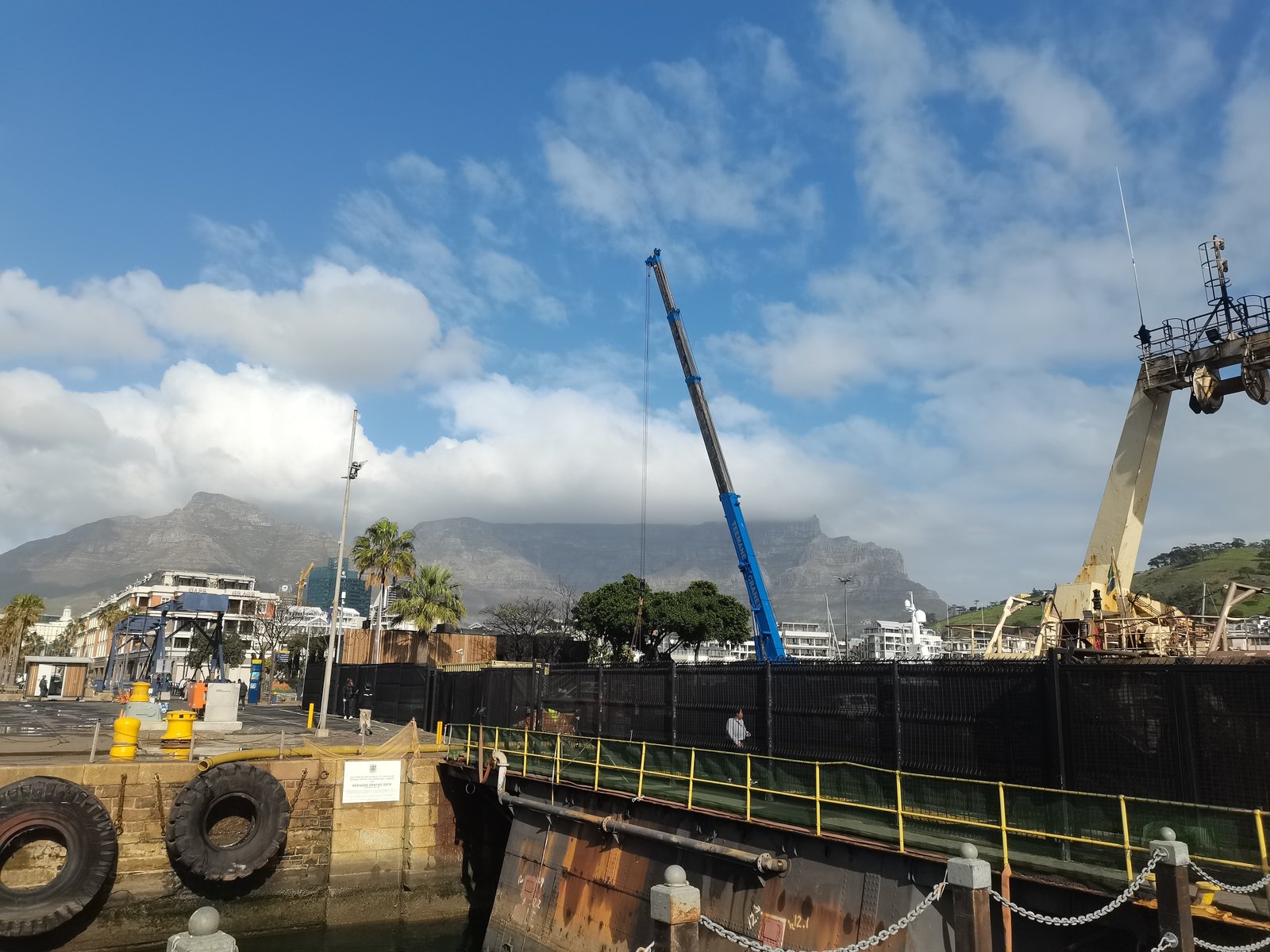
Cape Town, the Mother City, is a breathtaking tapestry of mountain and sea, a hub of history, culture, and relentless progress. Its iconic skyline, from the historic Castle of Good Hope to the modern shimmer of the Portside Tower, tells a story of continuous evolution. But this progress isn’t effortless. Behind every new building, every wind turbine on the West Coast, and every shipment in the bustling harbour, there is a force of engineering might: the mobile crane.
These mechanical giants are the unsung heroes of Cape Town’s development, solving the complex logistical puzzles that the city’s unique geography presents. How do you lift a 20-ton air conditioning unit onto a rooftop in the dense City Bowl? How do you place a delicate piece of sculpture in the pristine Constantia Valley without disturbing the environment? How do you unload critical machinery at the Port of Cape Town with the infamous South-Easter wind howling? The answer, time and again, is a mobile crane.
For project managers, construction foremen, logistics coordinators, and business owners across the Western Cape, understanding the intricacies of mobile crane hire is not just a matter of project planning—it’s a critical component of success, safety, and budget management. This ultimate guide is designed to be your comprehensive resource. We will delve deep into the types of cranes that navigate our city’s streets, the industries that rely on them, the critical importance of choosing the right local partner, and the specific challenges that make Cape Town a unique environment for heavy lifting.
Chapter 1: The Cape Town Mobile Crane Fleet – A Machine for Every Mission
The diverse and often demanding landscape of the Western Cape requires an equally diverse and capable fleet of mobile cranes. There is no one-size-fits-all solution. The choice of crane is a calculated decision based on terrain, load capacity, reach, and mobility. Let’s explore the key workhorses of the local industry.
1.1 The All-Terrain Crane: The Unrivalled All-Rounder
Often called the “Swiss Army knife” of the crane world, the all-terrain crane is the preferred choice for projects that demand both power and mobility.
Anatomy and Capabilities: These machines are marvels of engineering, built on a robust chassis with multiple axles (often 3 to 9) featuring all-wheel drive and all-wheel steering. This allows them to traverse everything from the smooth tarmac of the N1 highway to the muddy, uneven terrain of a new construction site in the Durbanville farmlands. They are equipped with sophisticated outrigger systems that provide a stable lifting base, and their telescopic booms can be extended to impressive heights, often supplemented with a lattice boom jib for even greater reach.
Ideal Cape Town Scenarios:
Multi-Site Projects: A company working on installing turbines at multiple locations, from Atlantis to Mitchells Plain, would rely on an all-terrain crane’s ability to legally and safely travel on public roads between sites.
Urban Construction: Their manoeuvrability and power make them suitable for the tight spaces and heavy lifts required in city-centre projects, like the ongoing developments in the Foreshore area.
Wind Farm Maintenance: The service and replacement of components on wind turbines in remote, hilly locations like the Darling Wind Farm are a perfect task for a capable all-terrain crane.
Lifting Capacity Range: The all-terrain crane fleet in Cape Town typically ranges from 40 tonnes for smaller models, suitable for more routine tasks, to truly massive machines capable of lifting 400 to 600 tonnes. This makes them versatile enough for everything from placing medium-sized machinery to lifting the massive structural components of a new bridge or power station.
1.2 The Rough Terrain Crane: The Off-Road Specialist
Where the ground is too soft, too steep, or too rough for standard machinery, the rough terrain crane comes into its element.
Anatomy and Capabilities: Designed with a single, powerful engine that powers both the carrier and the crane, these units are built for off-road performance. They feature large, heavy-duty, deep-tread tyres and a compact, robust body that provides excellent stability in confined and challenging spaces. Unlike all-terrain cranes, they are not designed for long-distance road travel and are typically transported on low-loaders between distant sites.
Ideal Cape Town Scenarios:
New Building Developments: Sites in areas like Sunningdale or the slopes of Hout Bay, where the ground is still being prepared and is often unpaved, muddy, or uneven, are ideal for rough-terrain cranes.
Quarry and Mining Operations: The rugged environment of aggregate quarries in the Philippi area or mining operations along the West Coast demands the durability of a rough-terrain crane.
Agricultural and Rural Projects: For lifts on farms in the Cape Winelands, where stable ground cannot be guaranteed, these cranes provide the necessary traction and stability.
Lifting Capacity Range: Rough terrain cranes are generally available in capacities from 15 tonnes up to 120 tonnes. Their value lies not in sheer lifting power, but in their ability to deliver that power precisely where other cranes cannot go.
1.3 The Truck-Mounted Crane (Boom Truck): The Agile City Slicker
When speed, agility, and cost-effectiveness are the primary concerns, the truck-mounted crane, or boom truck, is often the perfect tool for the job.
Anatomy and Capabilities: Mounted on a standard commercial truck chassis, these cranes are highly mobile and can be set up for operation very quickly. Their key advantage is their ability to travel on public roads with minimal restrictions, making them a common sight in urban and industrial areas. Most feature a telescopic boom that can be fitted with various attachments.
Ideal Cape Town Scenarios:
Logistics and Warehousing: Loading and unloading heavy goods, machinery, or containers at the Epping City Logistics Park or at warehouses in the Montague Gardens industrial area.
HVAC Installation: Placing air conditioning units on the rooftops of commercial buildings in the Bellville or Parow industrial zones.
Urgent, Smaller Lifts: For tasks like lifting a generator into a building during load-shedding or moving a safe into an office, a boom truck offers a rapid and efficient solution.
Lifting Capacity Range: Boom trucks are typically used for lighter lifts, with capacities ranging from 3 to 50 tonnes. For heavier duties, hydraulic truck cranes can handle weights from 50 up to 110 tonnes.
1.4 The Crawler Crane: The King of Stability and Heavy Lifts
When the lift is monumentally heavy, or the ground conditions are exceptionally poor, the crawler crane is the undisputed champion.
Anatomy and Capabilities: Unlike its wheeled counterparts, the crawler crane moves on a set of robust tracks (crawlers). This track system distributes the crane’s weight over a much larger area, providing immense stability and allowing it to operate on soft, sandy, or marshy ground that would immobilise a wheeled crane. Many crawler cranes use a lattice boom, which offers a superior strength-to-weight ratio for lifting the heaviest loads to great heights.
Ideal Cape Town Scenarios:
Major Infrastructure Projects: The construction of bridges, such as those on the N2, or major power plants, requires the extreme capacity of a crawler crane.
Port Operations: Lifting massive ship-to-shore cranes or other heavy port infrastructure in the soft, reclaimed land of the Port of Cape Town.
Coastal and Wetland Work: Projects on the beachfront or in sensitive ecological areas where ground pressure must be minimised.
Lifting Capacity Range: Crawler cranes cover a vast spectrum, from smaller 10-tonne models to super-heavy lifters that can handle 600 tonnes and more. Their use is a statement about the scale and complexity of the project at hand.
Chapter 2: Serving the Heart of the Western Cape Economy
Mobile cranes are not just for construction; they are the circulatory system of the regional economy, enabling growth and maintenance across a wide array of sectors.
2.1 Construction and Infrastructure
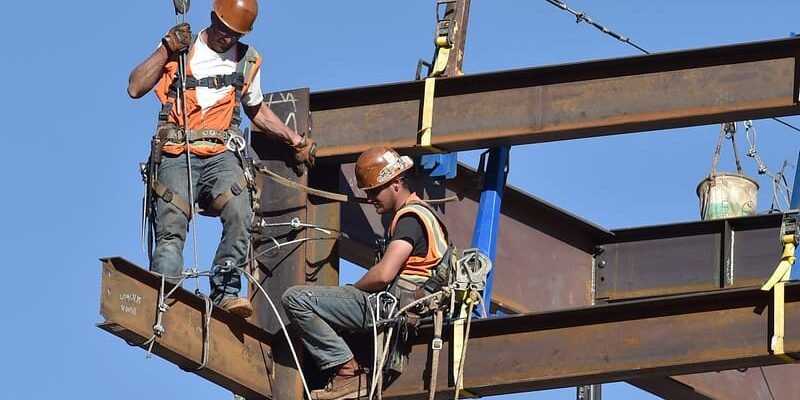
This is the most visible and demanding user of crane services. The work ranges from erecting the steel skeletons of high-rise buildings in the CBD to placing pre-cast concrete panels for housing developments in Blaauwberg.
Case Study: The Foreshore Freeway Project (Hypothetical Future Scenario): A project of this magnitude would require a coordinated fleet. All-terrain cranes would handle the placement of bridge segments and support structures due to their mobility and power. Crawler cranes would be positioned for the heaviest lifts where their stability is paramount. The project would be a masterclass in logistics, with crane movements meticulously planned to avoid disrupting the city’s traffic flow.
2.2 Shipping, Logistics, and Port Operations
The Port of Cape Town is the lifeblood of international trade for the region. Mobile cranes are indispensable for handling “break-bulk” cargo—goods that are too large, heavy, or awkward for standard container ships.
The Challenge of the South-Easter: Crane operations in the port must account for Cape Town’s famous (or infamous) South-Easter wind. Lifting operations are governed by strict wind speed limits, and crane operators working the docks must be experts in reading the weather and understanding the dynamics of a suspended load in windy conditions.
2.3 The Film and Entertainment Industry
Cape Town is a world-class film production hub, often called “Hollywood of the South.” The industry relies on mobile cranes for a variety of unique tasks.
Applications: This includes positioning heavy lighting rigs and generators, lifting and placing set pieces (which could be anything from a fake building facade to a period car), and even serving as camera platforms for sweeping, cinematic shots. The quiet operation and precise control of modern hydraulic cranes are essential on a film set where time is money and silence is golden.
2.4 Industrial and Manufacturing
Factories and plants in industrial hubs like Atlantis (specialising in green tech) and Milnerton require crane services for installation, maintenance, and relocation of heavy machinery.
The Importance of Precision: A lift in a factory is often about more than just weight; it’s about precision. Placing a multi-million Rand CNC machine within millimetres of its designated spot requires a skilled operator and a well-maintained crane. This minimises production downtime and prevents costly damage.
2.5 Energy and Petrochemical
This sector demands the highest levels of safety and capability. From the installation of transformers at substations to maintenance work at the Caltex Refinery, the cranes used are typically the largest and most sophisticated.
2.6 Emergency Response and Recovery
When things go wrong, mobile cranes are often first on the scene. This includes recovering overturned trucks on the Chapman’s Peak Drive, assisting in building collapses, or clearing debris after a storm. Many reputable crane hire companies, including Cape Rigging Services, offer 24/7 emergency call-out services for these critical situations.
Chapter 3: The Unique Challenges of Operating in Cape Town
Operating a mobile crane in Cape Town is not like operating anywhere else. A successful lift requires a deep understanding of the local environment.
3.1 The Geographical and Terrain Challenges
The Mountain Effect: The presence of Table Mountain and its surrounding chain creates unpredictable wind patterns and can block line-of-sight communication between a crane operator and a signaller. It also limits access routes for large equipment to certain areas.
Coastal Conditions: Salt-laden air from the Atlantic and False Bay can cause accelerated corrosion on crane components, demanding a rigorous and frequent maintenance schedule.
Variable Ground Conditions: The city is built on everything from solid granite to shifting sand and reclaimed land. A comprehensive ground assessment is non-negotiable before any crane setup.
3.2 Urban and Logistical Challenges
Congested City Streets: Navigating the narrow, often congested streets of the City Bowl, Woodstock, or Observatory with a large all-terrain crane is a logistical nightmare. It requires meticulous route planning, often in collaboration with local traffic authorities, and sometimes even temporary road closures or the removal of street furniture.
Overhead Obstructions: Power lines, telephone cables, and tree canopies pose a significant risk. A detailed site survey must identify all overhead hazards to maintain safe clearance during the lift.
The Public Factor: Operating a crane in a public space brings the responsibility of ensuring the safety of pedestrians and motorists, requiring clear signage, barriers, and often traffic control personnel.
3.3 Regulatory and Permit Landscape
In South Africa, crane operations are governed by the Occupational Health and Safety Act (OHSA) 85 of 1993 and its driven machinery regulations. Specific to Cape Town, operators must also contend with:
City of Cape Town Municipal By-Laws: These govern issues like noise pollution, operating hours, and road usage for overweight and over-dimensional vehicles.
Permit Requirements: Transporting a large crane often requires a special permit from the local traffic department. Setting up a crane on public land (a sidewalk or road) requires a separate permit. A reputable crane hire company will manage this entire process on your behalf.
Chapter 4: Choosing the Right Cape Town Crane Hire Partner
Selecting a crane is one thing; selecting the right company is everything. Your chosen partner becomes an integral part of your project’s success. Here are the critical factors to consider:
4.1 The Non-Negotiables: Safety, Certification, and Experience
Safety Record: Inquire directly about the company’s safety record and its formal Safety, Health, and Environment (SHE) policy. A serious company will be proud to share this.
Operator Certification: Ensure all operators are certified in accordance with South African law. Ask about ongoing training, especially on new crane models and technologies.
Equipment Maintenance: Well-maintained equipment is safe equipment. Ask about their maintenance schedules and if their cranes undergo regular, documented inspections by a competent person.
4.2 The Local Advantage
Why does local expertise matter?
Knowledge of the Terrain: A local company like [Your Company Name] has intrinsic knowledge of Cape Town’s suburbs, traffic patterns, and hidden challenges. We know which routes are feasible for a 100-tonne crane and which are not.
Relationships with Authorities: We have established relationships with the City of Cape Town’s traffic and planning departments, which can streamline the permit application process, saving you valuable time.
Rapid Response Capability: Being based in the Western Cape means we can mobilise resources and respond to changes or emergencies on your site much faster than a company based in Gauteng.
4.3 The Service Beyond the Crane
The best companies offer a comprehensive service package:
Lift Planning: A professional company will provide a detailed lift plan, covering everything from crane selection and positioning to load charts and risk assessments.
Site Assessment: They will insist on conducting a thorough site assessment before providing a quote.
Professional Team: From the certified crane operator to the qualified riggers and signalers, the entire team should present a professional, safety-conscious demeanour.
Conclusion: Lifting Cape Town’s Future, Safely and Efficiently
The mobile crane is more than just a piece of machinery; it is a symbol of Cape Town’s ambition and its ability to overcome physical challenges to build a brighter future. From the depths of the harbour to the peaks of new skyscrapers, these incredible machines, operated by skilled professionals, are shaping the city we will live in tomorrow.
Choosing the right crane and the right partner is a decision that carries the weight of your project’s success, your budget, and most importantly, the safety of everyone on site. It requires a blend of engineering knowledge, local insight, and unwavering commitment to safety.
At Cape Rigging Services, we are proud to be a part of Cape Town’s growth story. With our deep local roots, modern and diverse fleet, and an uncompromising commitment to safety and professionalism, we are ready to be your trusted partner. We don’t just provide a crane; we provide a solution tailored to the unique demands of the Mother City.
Ready to plan your next project?
Contact Cape Rigging Services today for a comprehensive consultation and a detailed, no-obligation quote. Let’s work together to lift your vision safely off the ground.
Explore our services further:
Our Crane Fleet: https://caperiggingservices.co.za/
Our Tube channel : https://www.youtube.com/@CapeRiggingServices-bq9lz
- September 30, 2025
- By:TyronPedlar
- Category:Blog, Crane Hire Cape Town, Machine Moving Cape Town
- no comments
Related Posts
- August 12, 2025
- By: TyronPedlar
- in: Blog, Crane Hire Cape Town, rigging service cape town
Post a Comment